- Wisconsin law mandates kiosk registration and $10,000 fines per violation.
- Upfront fees save rural users 15-25% on BTC purchases.
- BTC trades at $76,131 USD; Fear Index at 26 urges caution.
Wisconsin cryptocurrency kiosks law requires operators to register with the Department of Financial Institutions (DFI). Rep. Melissa Agard (D-Madison) sponsored the bill. It passed last week. Fines hit $10,000 per violation. Bitcoin trades at $76,131 USD CoinGecko.
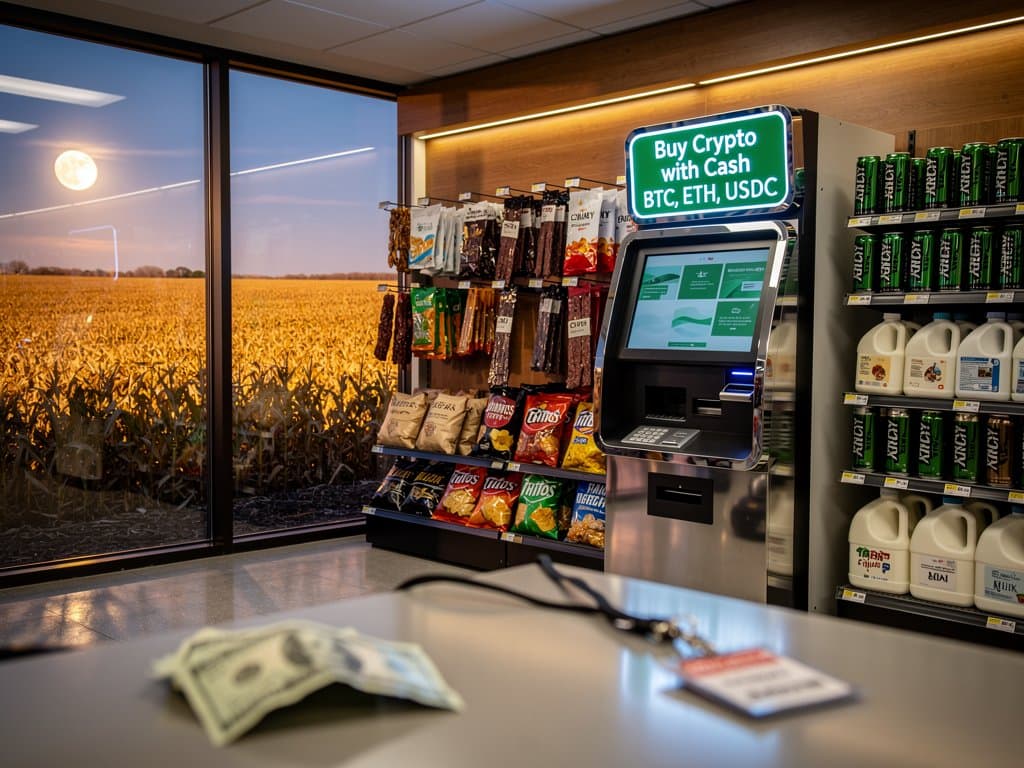
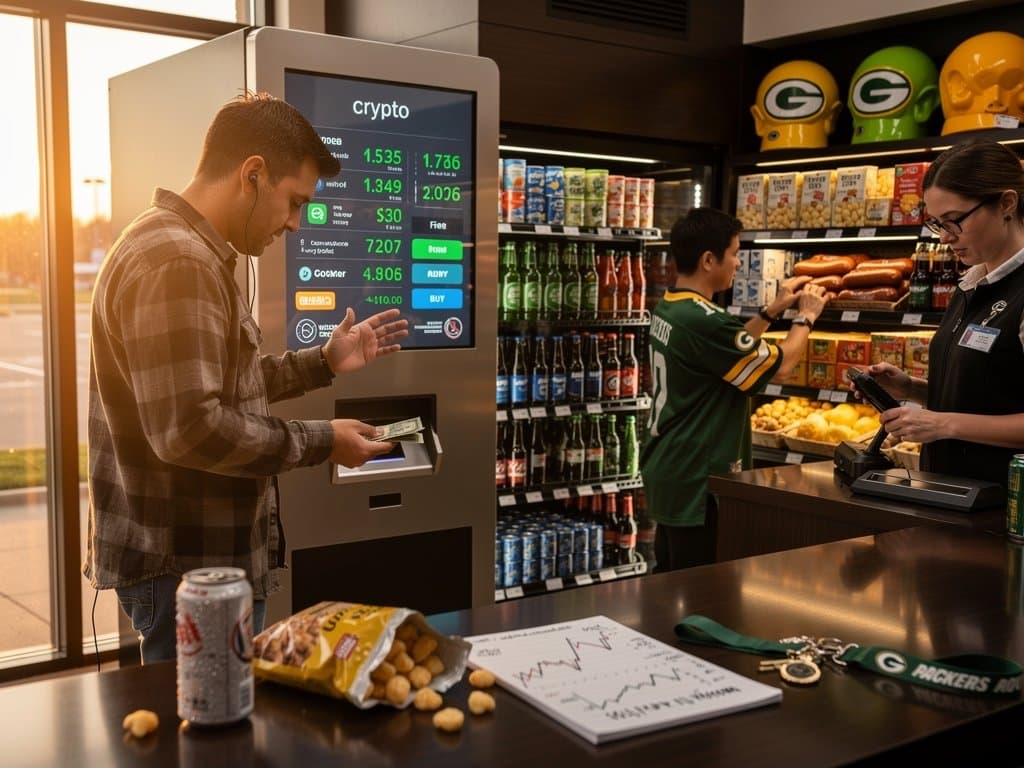
Kiosks let users buy BTC with cash at stores and gas stations. They serve rural areas short on banks. Fear & Greed Index reads 26 Alternative.me.
How Cryptocurrency Kiosks Serve Midwest Users
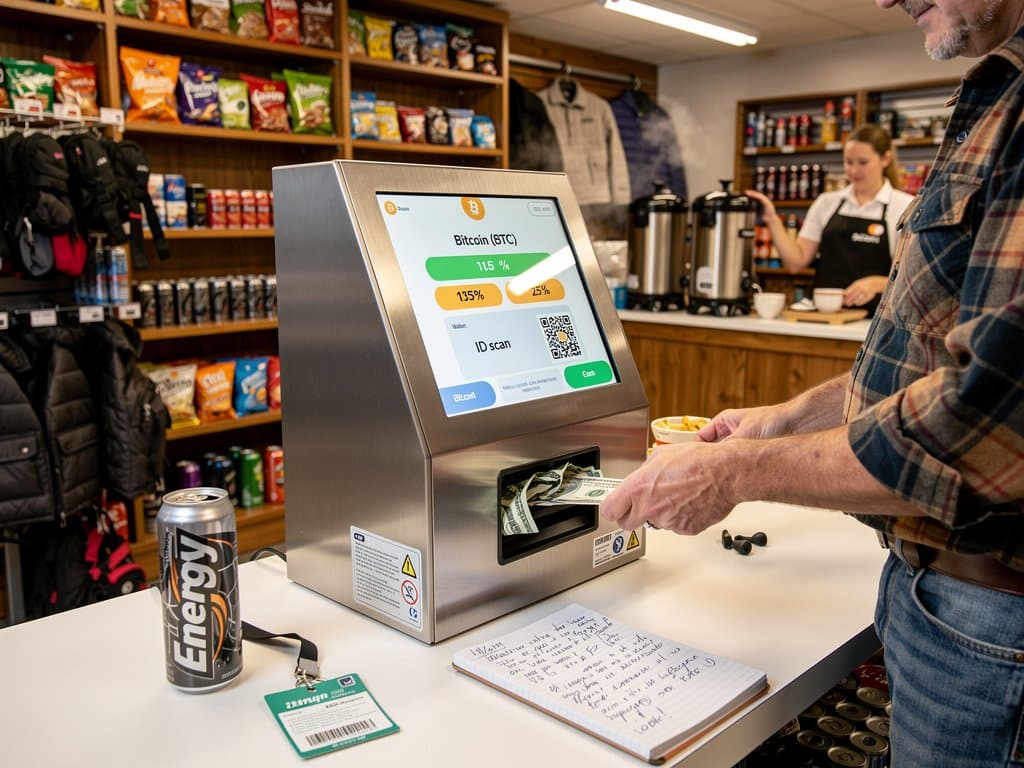
Kiosks work like Bitcoin ATMs. Users insert cash and scan IDs. Crypto lands in digital wallets.
Over 1,200 kiosks dot Wisconsin, Illinois, and Iowa Coin ATM Radar. Operators like Bitcoin Depot charge 15-25% fees.
Midwest farmers hedge corn and soybean swings with them. Scanners curb fraud at spots like Kwik Trip.
Core Provisions of Wisconsin Cryptocurrency Kiosks Law
Operators register yearly with DFI. Kiosks show all fees before transactions.
Violations draw $10,000 fines per machine. Madison and Milwaukee sites upgrade first. Rural Door County follows by Q1 2025.
Reuters notes nationwide scrutiny. DFI Commissioner Kathy Cummings said, "This builds trust for Wisconsinites buying crypto."
Rep. Agard added, "Rural folks deserve transparent access to crypto tools."
Consumer Protection Gains for Rural Midwest
Rural users lack broadband. They turn to kiosks. DFI data shows Wisconsin farmers bought $5.2 million in BTC last year.
The law stops hidden 20% fees. Milwaukee immigrants send USDT remittances home.
Green Bay manufacturers test stablecoin payrolls. Regulation creates standard access.
Local Impacts on Agriculture and Business
Corn prices dropped 12% this harvest USDA NASS. Farmers seek BTC stability.
Janesville elevators see kiosk crowds. Wisconsin Rapids ag co-ops offer BTC rewards for grain.
This links crypto to farm finance. Truckers gain from cross-state standards.
Illinois enacted rules in 2023. Missouri drafts bills now.
Crypto Market Snapshot as of April 9
Markets signal fear. Top assets:
- Asset: BTC · Price (USD): 76,131 · 24h Change: -1.5% · Market Cap: $1,523.5B
- Asset: ETH · Price (USD): 2,355 · 24h Change: -3.3% · Market Cap: $284.2B
- Asset: USDT · Price (USD): 1.00 · 24h Change: 0.0% · Market Cap: $186.6B
- Asset: XRP · Price (USD): 1.44 · 24h Change: -3.6% · Market Cap: $88.4B
- Asset: BNB · Price (USD): 634 · 24h Change: -1.3% · Market Cap: $85.5B
- Asset: USDC · Price (USD): 1.00 · 24h Change: 0.0% · Market Cap: $78.5B
- Asset: SOL · Price (USD): 87 · 24h Change: -3.7% · Market Cap: $49.9B
Data from CoinGecko. DOGE fell 4.9% to $0.10 USD.
Ethereum sits at $2,355 USD. ETF delays weigh on it.
Crypto Regulation Midwest Spreads
Iowa eyes kiosk bills next session. Indiana logs 50 complaints yearly.
SEC pushes national rules. AI facial scans speed verifications.
DFI schedules 2025 audits. BlackRock ETF inflows reached $12 billion.
This boosts kiosk use in farm towns. Chicago firms eye Peoria expansion.
Outlook Under Wisconsin Cryptocurrency Kiosks Law
Expect 20% kiosk growth in the heartland. Farmers secure hedges.
BTC holds $76,131 support. Crypto regulation Midwest builds compliant on-ramps.
Regional banks monitor shifts closely.
Frequently Asked Questions
What is a cryptocurrency kiosk?
Cryptocurrency kiosks let users buy Bitcoin with cash at stores. They link to blockchains. Wisconsin cryptocurrency kiosks law now requires oversight for safety.
How does Wisconsin cryptocurrency kiosks law protect consumers?
It demands operator registration and pre-transaction fee displays. Users dodge scams in Midwest spots. Fines hit $10,000 for violations.
Why regulate crypto kiosks in the Midwest?
Kiosks fill bank gaps in rural areas. They aid farmers hedging and remittances. Rules build trust as BTC volatility persists.
What is the Fear & Greed Index now?
It reads 26, in fear zone per Alternative.me. Volatility drives it. Kiosk laws may steady regional adoption.