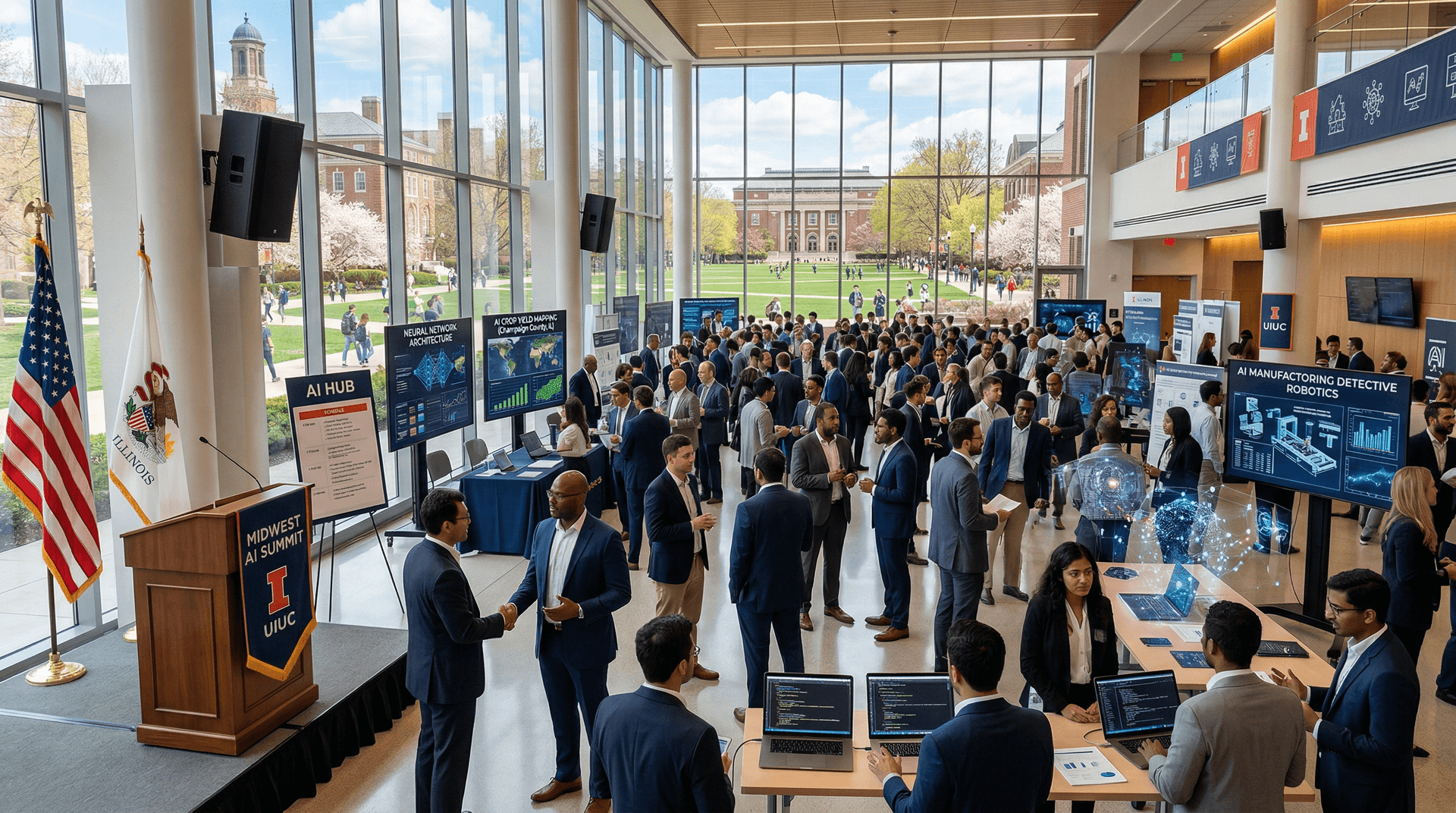
Champaign, IL – April 9, 2024 – In a landmark move to decentralize America's AI revolution from coastal tech hubs, the White House Office of Science and Technology Policy (OSTP) hosted the inaugural Midwest Regional AI Summit at the University of Illinois Urbana-Champaign (UIUC) on April 8-9. This event underscores the Midwest's burgeoning role in artificial intelligence, spotlighting Illinois as a nexus for ethical AI development, workforce upskilling, and industry applications tailored to heartland needs.
The summit drew over 300 attendees, including federal officials, university researchers, corporate executives from companies like John Deere and Caterpillar, and local policymakers. OSTP Director Arati Prabhakar's office organized the gathering as part of a series of regional forums to ensure AI benefits extend beyond Silicon Valley and Seattle. "The Midwest isn't just flyover country for AI—it's fertile ground for innovation," said UIUC Provost Andreas Cangellaris in opening remarks, emphasizing the region's agricultural data troves and manufacturing prowess as AI goldmines.
Key Themes: From Ethics to Economic Impact
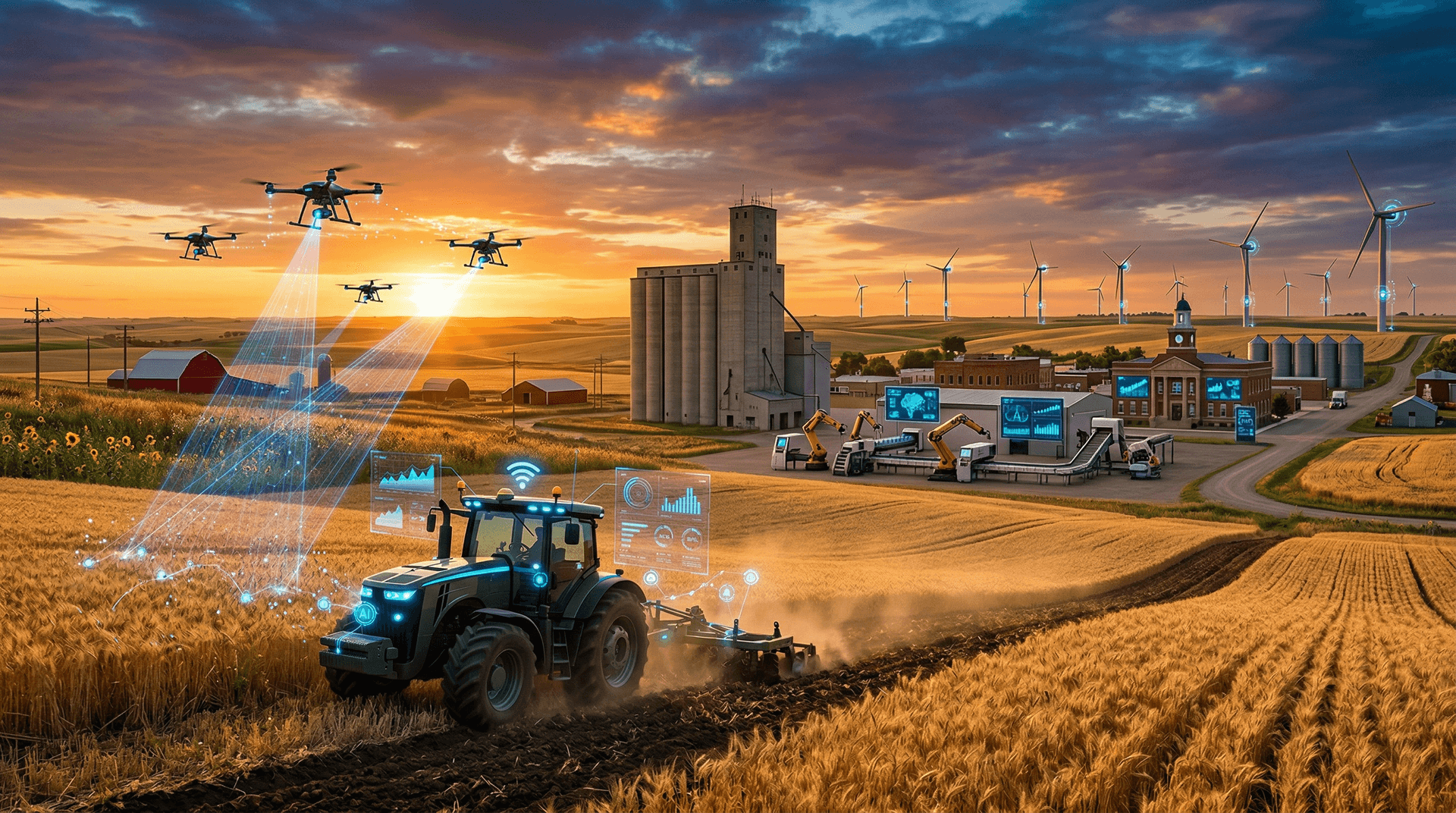
Sessions delved into pressing AI challenges and opportunities. A flagship panel on "Responsible AI in the Heartland" featured experts discussing bias mitigation in farming algorithms and privacy safeguards for factory automation. John Deere's Chief Technology Officer, Jahmy Hill, highlighted how AI-driven precision agriculture—using machine learning for crop yield prediction—could add $20 billion annually to Midwest farms. "We're not just planting seeds; we're planting data ecosystems," Hill noted.
Workforce development emerged as a cornerstone. With AI projected to transform 40% of Midwest manufacturing jobs by 2030, according to a UIUC study presented at the summit, partnerships between universities and community colleges were announced. Illinois Governor J.B. Pritzker joined virtually to pledge $50 million toward AI training programs at state institutions, aiming to create 10,000 new tech jobs by 2026. "Illinois is building the AI workforce of tomorrow, right here in the Prairie State," Pritzker stated.
The event also tackled infrastructure hurdles. Midwest leaders called for expanded broadband and data centers to support AI compute demands. Microsoft, a key partner, showcased its Azure cloud integrations for regional agrotech startups. Meanwhile, semiconductors took center stage, with nods to the CHIPS and Science Act's impact on Ohio's Intel fabs and potential expansions in Indiana.
Midwest's Unique AI Edge
Unlike urban-centric AI narratives, the summit emphasized rural and industrial applications. Machine learning models for soil health analysis, predictive maintenance in auto plants (think Ford in Michigan and GM in Detroit), and climate-resilient farming dominated demos. UIUC's National Center for Supercomputing Applications (NCSA) unveiled a new AI platform for Midwest weather forecasting, leveraging petabytes of local data.
"AI isn't abstract here—it's tractors, assembly lines, and family farms," remarked Dr. Vikram Adve, director of UIUC's Siebel Center for Computer Science. Interactive workshops allowed farmers from downstate Illinois to test AI tools via simple apps, bridging the digital divide.
Federal commitments added heft. OSTP announced a $10 million grant pool for Midwest AI research consortia, prioritizing equitable access. This aligns with President Biden's executive order on safe AI, ensuring regional voices shape national policy.
Challenges and Calls to Action
Not all discussions were rosy. Panelists flagged talent poaching by Big Tech and ethical risks in automated hiring. A town hall revealed concerns over AI's energy footprint straining rural grids. Solutions proposed included public-private apprenticeships and open-source AI frameworks adapted for low-bandwidth environments.
Local impact was immediate: Lincoln Land Express spoke with Champaign entrepreneurs launching AI startups post-summit. One, AgriIntel, secured seed funding for drone-based pest detection using edge AI—processing data on-device to cut cloud costs.
Looking Ahead: Heartland AI Renaissance
As the summit concluded, participants signed a "Midwest AI Compact," pledging collaboration on standards and pilots. Upcoming events include Great Lakes and Plains hubs, signaling a national push.
For Illinois and the Midwest, this is more than a conference—it's a declaration. With UIUC's Grainger College of Engineering ranking top-tier in AI research, and proximity to Chicago's venture capital, the region is primed. Economists project AI could inject $100 billion into Midwest GDP by decade's end, per Brookings Institution data cited onsite.
Lincoln Land Express will track these developments, from Springfield policy shifts to Peoria factory rollouts. The message from Champaign is clear: AI's future is as vast as the Illinois prairies, ready for harvest.
Stay tuned for follow-up on grant recipients and pilot projects.
(Word count: 912)