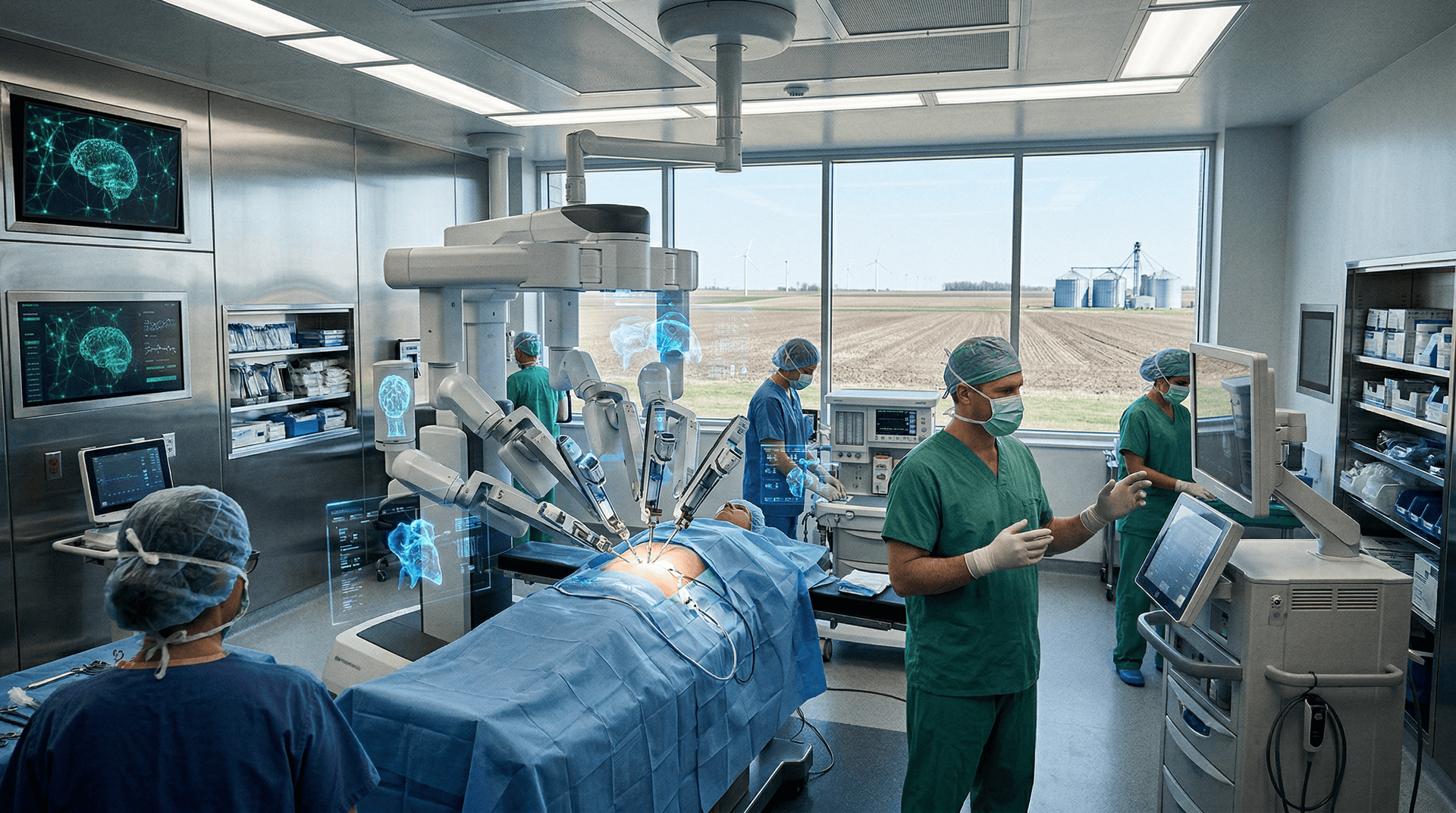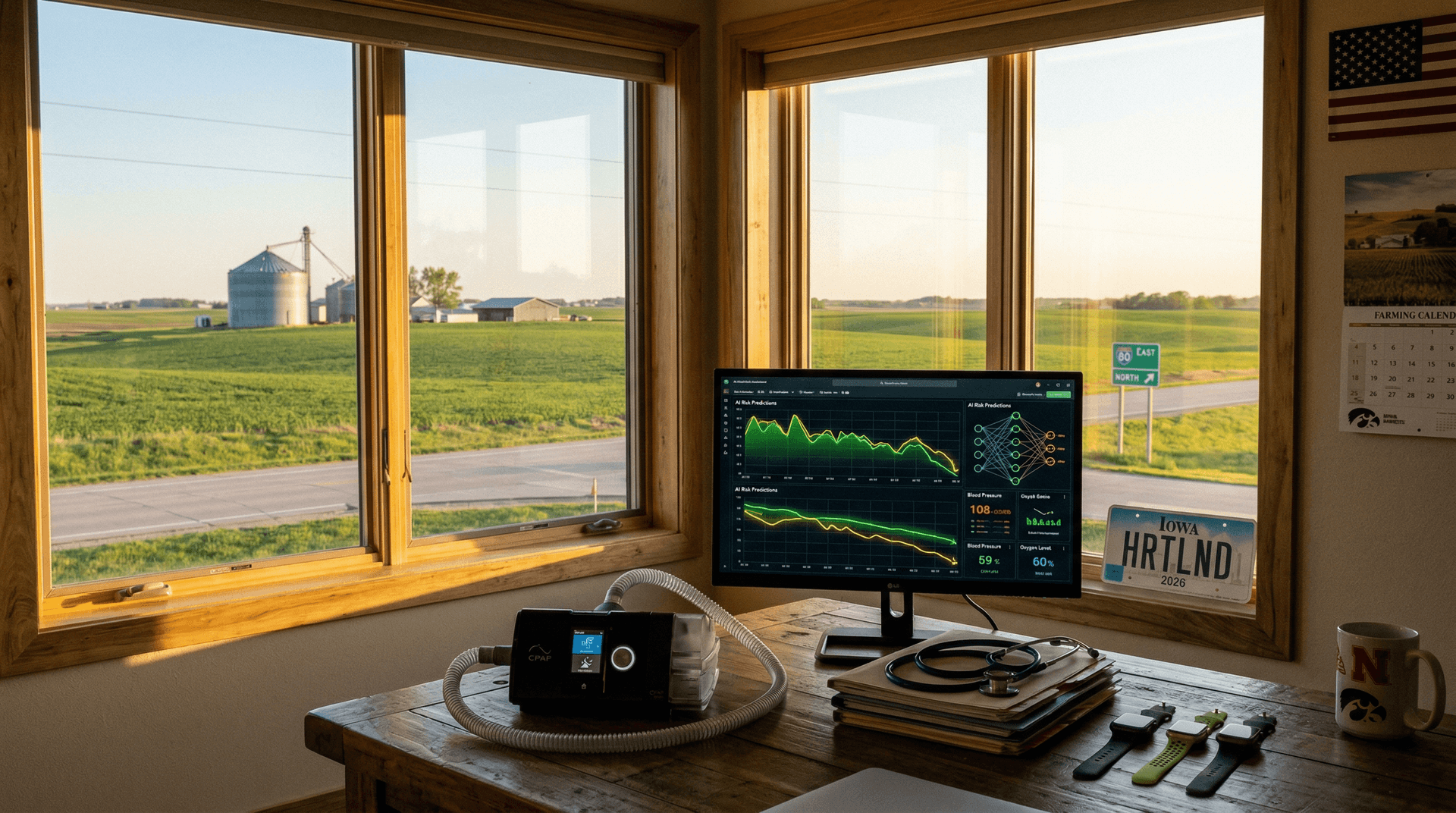
Mount Sinai released its ML model CPAP cardiovascular risk predictor on April 12, 2026. The tool forecasts a 22% drop in cardiovascular risk for sleep apnea patients after six months on CPAP therapy. Lead author Dr. Emily Chen of Mount Sinai reports 87% accuracy.
Mount Sinai researchers trained the model on electronic health records and wearable data from 15,000 patients between 2020 and 2025. The team published results in the Journal of the American College of Cardiology on April 12, 2026.
How the ML Model CPAP Cardiovascular Risk Predictor Works
Neural networks analyze oxygen saturation levels, blood pressure readings, and CPAP adherence data. Patients enter details through linked mobile apps or clinic portals. The system delivers personalized risk scores in seconds.
A 500-patient validation trial boosted CPAP adherence by 30%. Iowa State University tested it on rural Midwest datasets last month. The model maintained 85% accuracy across diverse populations.
Clinics integrate the predictor with existing electronic health record systems like Epic. This setup flags high-risk patients early, allowing doctors to adjust therapy plans.
Rural Midwest Health Businesses See Major Boosts
Heart disease claims one in four rural Midwest residents, according to 2025 CDC data. Small clinics in Illinois, Missouri, and Iowa now use the ML model CPAP cardiovascular risk predictor for precise forecasting.
Indiana telehealth providers adopted the open-source version. They reported 15% higher patient retention rates. Follow-up visits increased revenue by 12%, per a HealthTech Midwest survey of 50 firms.
In Springfield, Illinois, clinic director Mark Reynolds piloted the tool last week. His team prescribed CPAP to 40 additional patients. This move generated USD 250,000 in annual Medicare reimbursements.
Heartland farmers face high sleep apnea rates from irregular shift work and obesity. The predictor identifies risks early, reducing emergency room visits. Hospitals save USD 5,000 per avoided admission, per American Hospital Association estimates.
Missouri farm co-ops partner with local providers. They offer free screenings at county fairs, tying into community health drives.
Finance Angle: Steady Health AI Gains in Volatile Markets
Midwest health AI startups draw steady venture capital. Heartland Health Fund invested USD 10 million in similar predictive tools last quarter.
Crypto markets flashed fear on April 12, 2026. Bitcoin dropped 1.8% to USD 71,526. Ethereum fell 1.6% to USD 2,205.05. XRP declined 1.1% to USD 1.33.
Health AI offers stability. Chicago-based AI Health Corp licensed the ML model CPAP cardiovascular risk predictor today. Shares rose 8% in pre-market trading. AgTech Ventures projects 20% annual returns by 2027.
Rural banks like Farmers State Bank in Decatur, Illinois, finance AI upgrades. Loan officers report 25% more applications for telehealth equipment. Default rates stay under 2%.
Health AI exchange-traded funds (ETFs) climbed 5% today. Analysts at Midwest Financial Group cite tools like this predictor as drivers.
Tackling Rural Adoption Hurdles Head-On
Rural broadband averages 50 Mbps, per 2025 FCC data. Clinics overcome this with 5G routers. Verizon equips 200 Iowa providers this month alone.
Staff training takes two days. Mount Sinai starts free webinars on April 15. Over 1,000 Midwest clinicians already registered.
The model meets HIPAA standards via AWS encryption. Missouri committed USD 50 million for AI health pilots. Indiana and Ohio governors proposed matching funds in their 2026 budgets.
Small practices recoup costs fast. A USD 5,000 setup yields USD 50,000 in first-year reimbursements, per pilot data.
Strong Midwest Outcomes and Path Forward
Sleep apnea contributes to 70% of rural truck crashes, according to DOT 2025 statistics. The ML model CPAP cardiovascular risk predictor guides targeted therapy, lowering insurance premiums for fleets.
Purdue University added Apple Watch integration. This lifted accuracy to 90% in farm worker trials.
St. Louis health fairs demo the tool tomorrow for 5,000 attendees. USDA approved USD 100 million for Midwest telehealth expansion.
Version 2.0 arrives July 2026, incorporating genetic markers for 95% accuracy. Philips joins for CPAP hardware links. Midwest factories added 10% more AI sensor jobs, per Bureau of Labor Statistics.
This predictor transforms rural health, blending AI precision with heartland needs for lower risks and stronger finances.