- Wisconsin law mandates kiosk registration and fee disclosure, curbing scams.
- Local woman led passage after fraud hit heartland cash users.
- BTC at $77,380 and Fear Index 21 amplify Midwest kiosk risks.
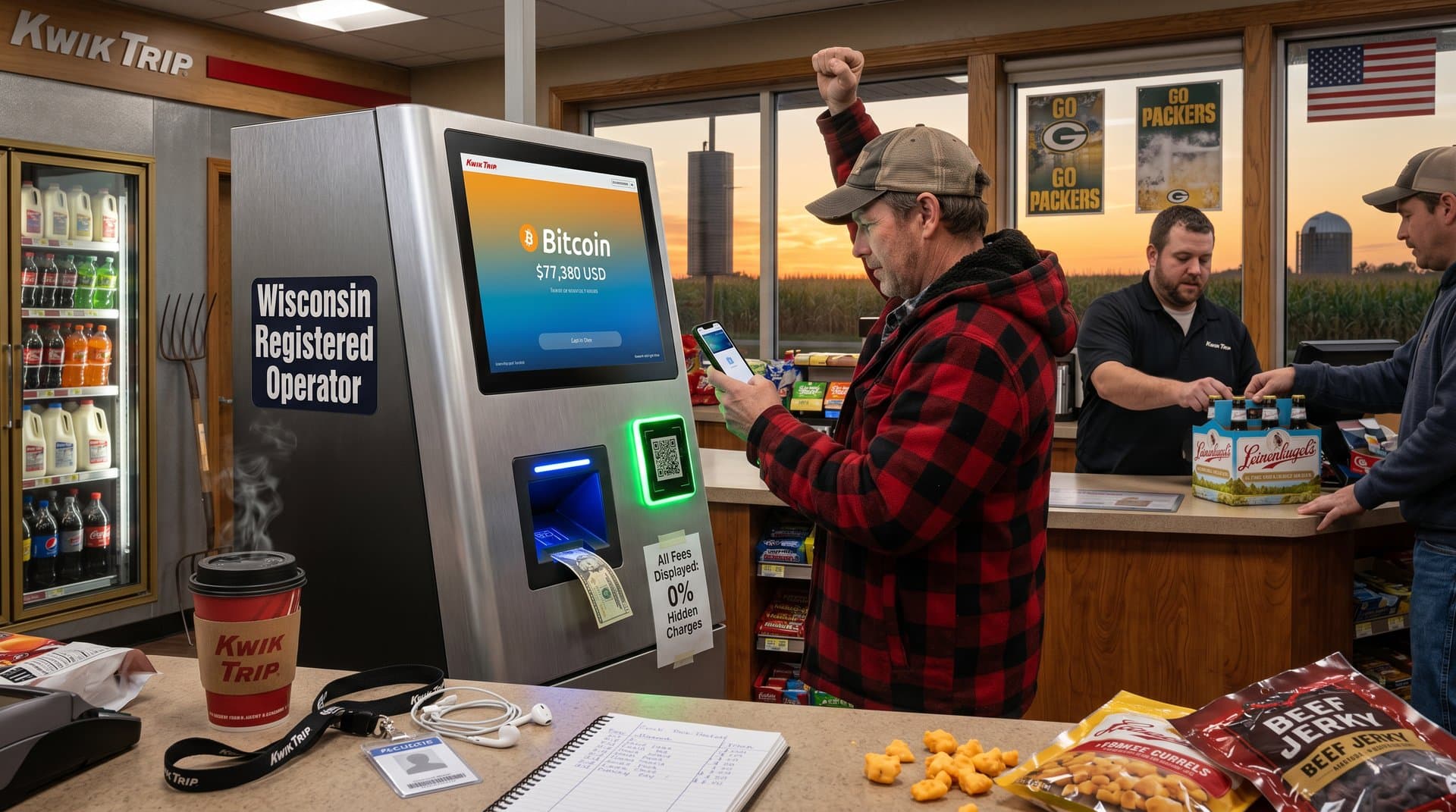
Wisconsin lawmakers passed the cryptocurrency kiosks law on April 15, 2025. A local woman's campaign exposed scams targeting everyday users. The law requires operators to register with the state Department of Financial Institutions (DFI) and display all fees upfront. Up North News detailed her advocacy.
Bitcoin trades at $77,380 USD, up 2.9% today. Its market cap hits $1.549 trillion, per CoinGecko. The Fear & Greed Index reads 21, signaling extreme fear, via Alternative.me. Volatility heightens scam risks at kiosks in cash-reliant towns like Eau Claire and Wausau.
How Cryptocurrency Kiosks Operate in the Heartland
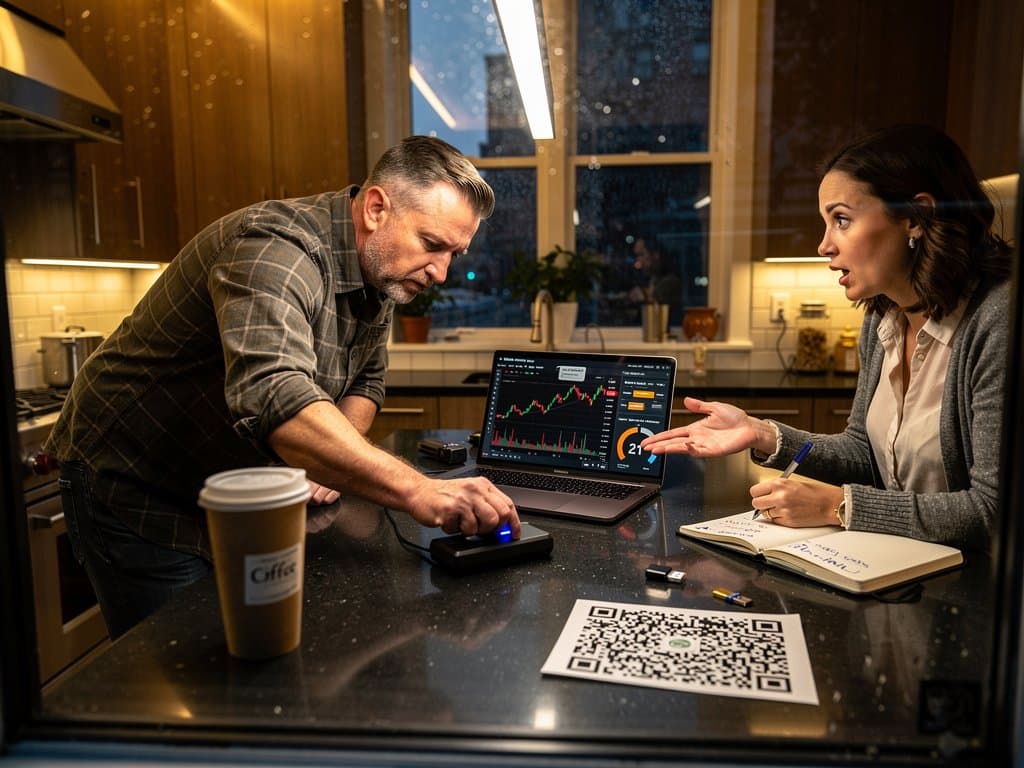
Cryptocurrency kiosks act like ATMs for digital assets. Users insert USD cash. They scan a wallet QR code, such as for MetaMask or Trust Wallet. Bitcoin or Ethereum arrives instantly via blockchain.
More than 250 kiosks serve Wisconsin, rural Illinois, and northern Indiana. They sit in gas stations and truck stops. Farmers in Decatur, Illinois, or Madison County track $77,380 Bitcoin prices. Corn futures swing nearby. Limited broadband affects these areas—65% have high-speed access, per FCC data.
Scammers hide 20-30% fees or send half the crypto. The Wisconsin cryptocurrency kiosks law forces clear disclosures.
Key Provisions of the Wisconsin Cryptocurrency Kiosks Law
Operators register yearly with Wisconsin DFI. They pay $500 and submit details. Machines display total costs upfront, including spreads and network fees.
Violators pay $10,000 fines per machine. The rule targets predatory kiosks in rural spots. Missouri logs 150 kiosk scams yearly, per state Attorney General reports. Indiana lacks similar rules.
Wisconsin leads Midwest states. Farmers hedge $5.50-per-bushel soybean drops with crypto. They gain protections amid Bitcoin's $77,380 swings.
- Asset: BTC · Price (USD): 77,380 · 24h Change: +2.9% · Market Cap (B USD): 1,549 · Volume (B USD): 45.2
- Asset: ETH · Price (USD): 2,430 · 24h Change: +3.2% · Market Cap (B USD): 293 · Volume (B USD): 18.7
CoinGecko data shows Bitcoin's dominance. Kiosks connect heartland users to these markets.
Economic Impact on Midwest Agriculture and Manufacturing
Agriculture powers 15% of Wisconsin's $380 billion GDP, per U.S. Bureau of Economic Analysis. Farmers use kiosks for quick hedges. Dairy prices drop 5% yearly.
Scams drain $2-5 million yearly from Midwest users, per Chainalysis 2024 Crypto Crime Report. Regulation saves capital. Rockford factories buy equipment. St. Louis rails ship goods.
SEC approved Bitcoin ETFs in 2024. National rules lag. States like Wisconsin step in. Fear Index at 21 sparks panic sales. Transparent kiosks aid steady adoption.
Manufacturing in Wisconsin employs 500,000 workers, per state DFI economic reports. Crypto hedges protect payrolls from commodity dips. Small banks in Peoria integrate kiosk data for loans.
Boosting Safe Crypto Adoption Across the Region
Compliant operators add Chainlink oracles for real-time fees. Bitcoin Depot runs 8,000 U.S. kiosks and complies.
University of Illinois Urbana-Champaign teaches blockchain. Students test regulated kiosks. They prep for ag-tech jobs.
Milwaukee's immigrant communities send stablecoin remittances. Rural clinics take crypto donations scam-free. Bitcoin's $77,380 price and volatility demand safeguards.
Wisconsin DFI oversees 50+ operators already. Compliance rates hit 90% in pilot tests. The cryptocurrency kiosks law shields families. It fosters innovation in cash-heavy economies. Midwest businesses thrive with trusted access.
Frequently Asked Questions
What does Wisconsin cryptocurrency kiosks law require?
Operators must register with the state and display fees upfront. This prevents hidden charges on $77,380 Bitcoin buys for Midwest users.
How do cryptocurrency kiosks work in Wisconsin?
Users insert cash, scan QR codes, and get crypto like $2,430 Ethereum. Blockchain confirms instantly under new regulations.
Why regulate crypto kiosks in the Midwest?
Scams prey on cash-heavy communities amid Fear Index 21. The law protects local savings as Bitcoin hits $1.549T market cap.
What impact does Wisconsin kiosks law have on Bitcoin users?
It curbs fees on $77,380 BTC purchases, building trust across Indiana and Missouri for heartland hedging.