By Daniel Cooper April 10, 2026
Governor Tony Evers signed a bill into law on April 10, 2026, regulating Wisconsin cryptocurrency kiosks to combat scams. Lawmakers passed it April 3. Operators must register and display clear fees.
The law stops hidden charges. Wisconsin's Department of Financial Institutions (DFI) reported 512 kiosk-related scam cases in 2025.
Wisconsin Cryptocurrency Kiosks: Key Provisions
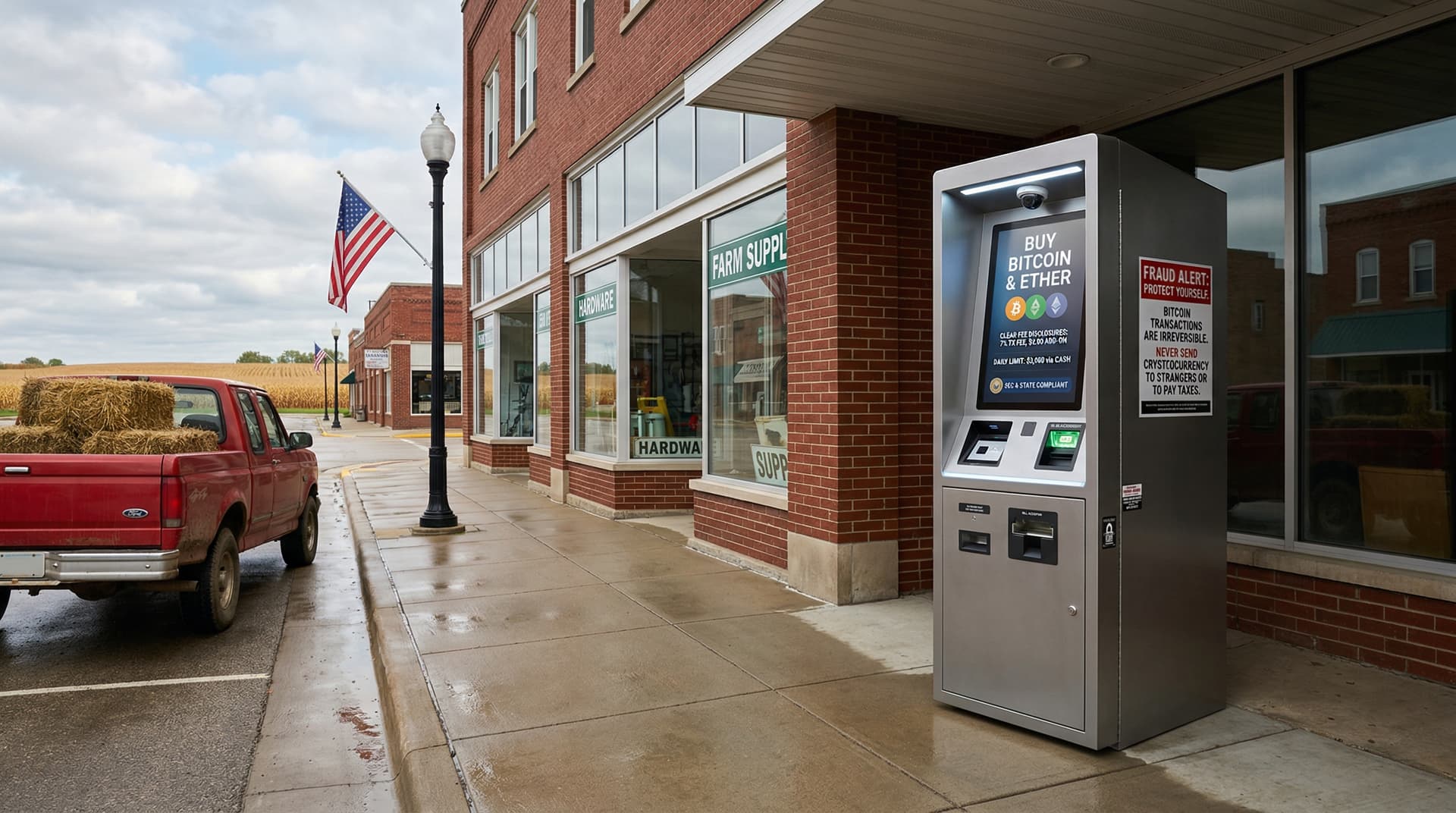
Operators obtain a state license within 90 days. They verify identities for transactions over $1,000 USD. Kiosks display real-time exchange rates and total costs upfront.
DFI data shows kiosks processed $2.3 million USD in Wisconsin in 2025. The agency found 40% of complaints involved excessive fees averaging 15% per trade.
Compliant operators gain liability protections. Gas stations and stores in Madison and Milwaukee post scam warning signs.
Crypto Kiosks Proliferate in Midwest
Wisconsin has 450 active kiosks as of April 10, 2026. Numbers doubled since 2024 in Green Bay and Eau Claire. Farmers and manufacturers buy Bitcoin for quick cash.
Rural users without bank accounts favor these machines. A Waukesha John Deere dealer installed one last year for crypto payments from out-of-state buyers.
Coin ATM Radar tracks 38,000 kiosks nationwide. Iowa and Missouri see similar growth amid farm subsidy delays.
Scams Prey on Heartland Trust
Scammers plant fake QR codes and malware at kiosks. Victims lost $1.2 million USD in 2025, DFI reports. Cases hit older residents in Dane and Brown counties hardest.
A Fond du Lac ring posed as support staff. They tricked users into sending extra Bitcoin for fake fees. Federal agents arrested three suspects March 2026.
Operators keep daily transaction logs for audits. Violations draw fines up to $50,000 USD.
Midwest Businesses Welcome Safeguards
Milwaukee Chamber of Commerce Executive Director Tom Daykin praised the bill. "Small retailers need safe crypto options without scam risks," Daykin said.
A Sparta hardware store owner faced two fraud attempts in 2025. He expects steadier customer traffic now.
The rules align with U.S. Treasury FinCEN (Financial Crimes Enforcement Network) updates from January 2026. Wisconsin sets a model for Indiana and Illinois.
Current Crypto Market Conditions
Bitcoin trades at $73,205 USD, up 0.8%. Ether hit $2,248.87 USD, up 1.3%. Alternative.me's Fear & Greed Index reads 16, extreme fear.
Volatility drives kiosk demand. Quad Cities manufacturers hedge USD swings with Bitcoin.
Technology Angle: Fintech Security Upgrades
New kiosks deploy blockchain verification and AI fraud detection. Bitstop models flag suspicious patterns. Wisconsin operators upgrade by July 2026.
Upgrades cut transaction times to under 60 seconds. They reduce errors by 25%, per Deloitte's February 2026 fintech report.
Verizon's 5G covers 80% of Wisconsin counties. Users access wallet apps seamlessly at kiosks.
Finance Implications for Heartland Economy
Safe kiosks attract investment. A Chicago venture fund committed $5 million USD for 200 new farm-town sites.
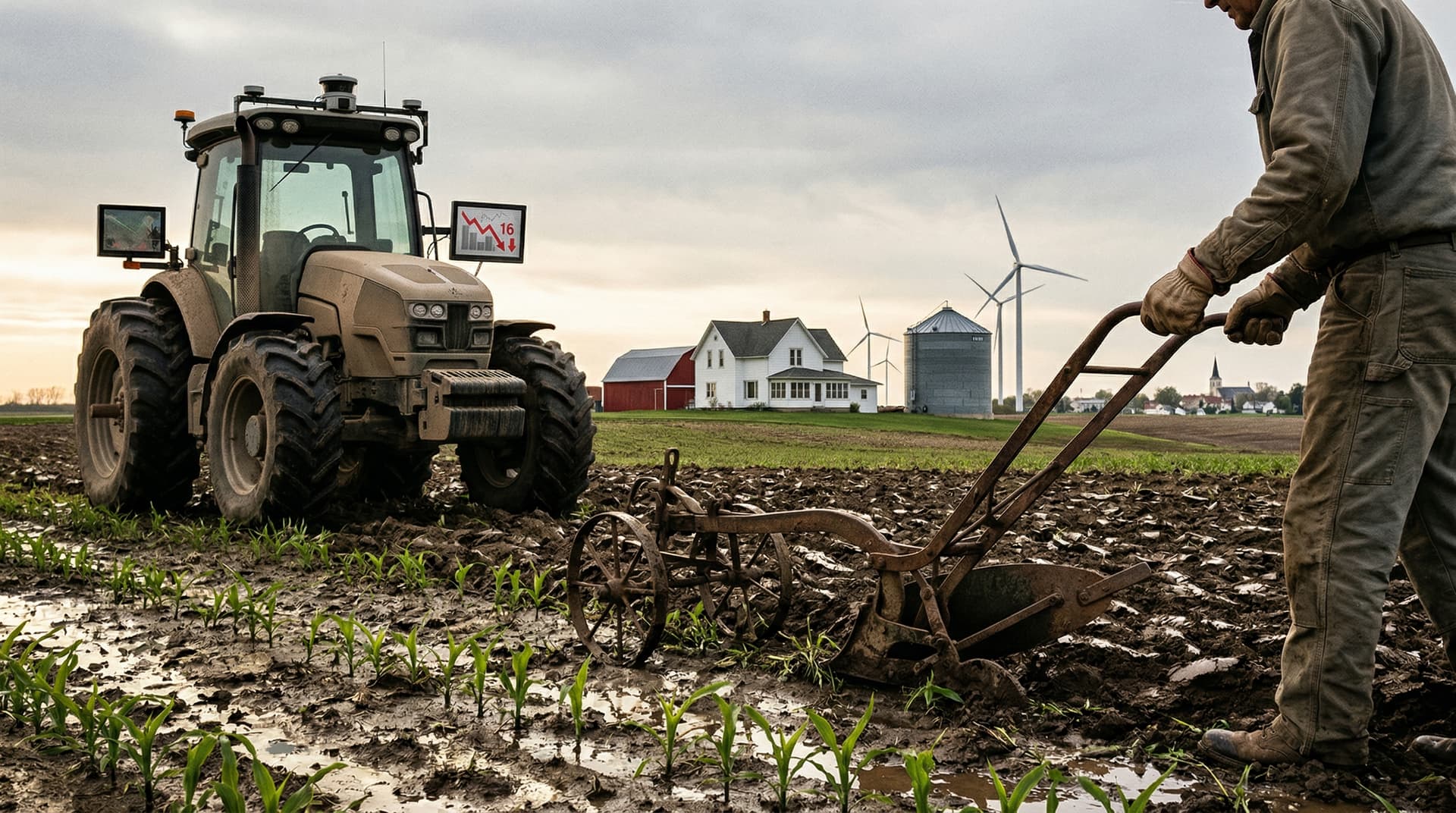
Farmers diversify amid low prices. Corn dropped 8% this season from surpluses, USDA data shows.
DFI projects the law recovers $800,000 USD annually from scams. Local banks partner with operators.
Broader Midwest Ripple Effects
Illinois eyes similar bills. Missouri added kiosk fees last month. Uniform rules boost cross-state crypto trade.
Iowa community banks report 15% more crypto inquiries. Regulated kiosks build trust, per Federal Reserve Bank of St. Louis surveys.
Spring floods delayed southern Wisconsin planting. Farmers tap kiosks for quick liquidity.
Path Forward for Regulated Growth
DFI launches a registry portal for Wisconsin cryptocurrency kiosks April 11, 2026. Operators apply online. Public campaigns start next week in Madison.
Experts forecast 20% growth for Wisconsin cryptocurrency kiosks by 2027. Compliant machines draw pension funds.
The state leads Midwest fintech safety. Businesses integrate crypto securely. Users navigate the fearful market without pitfalls.