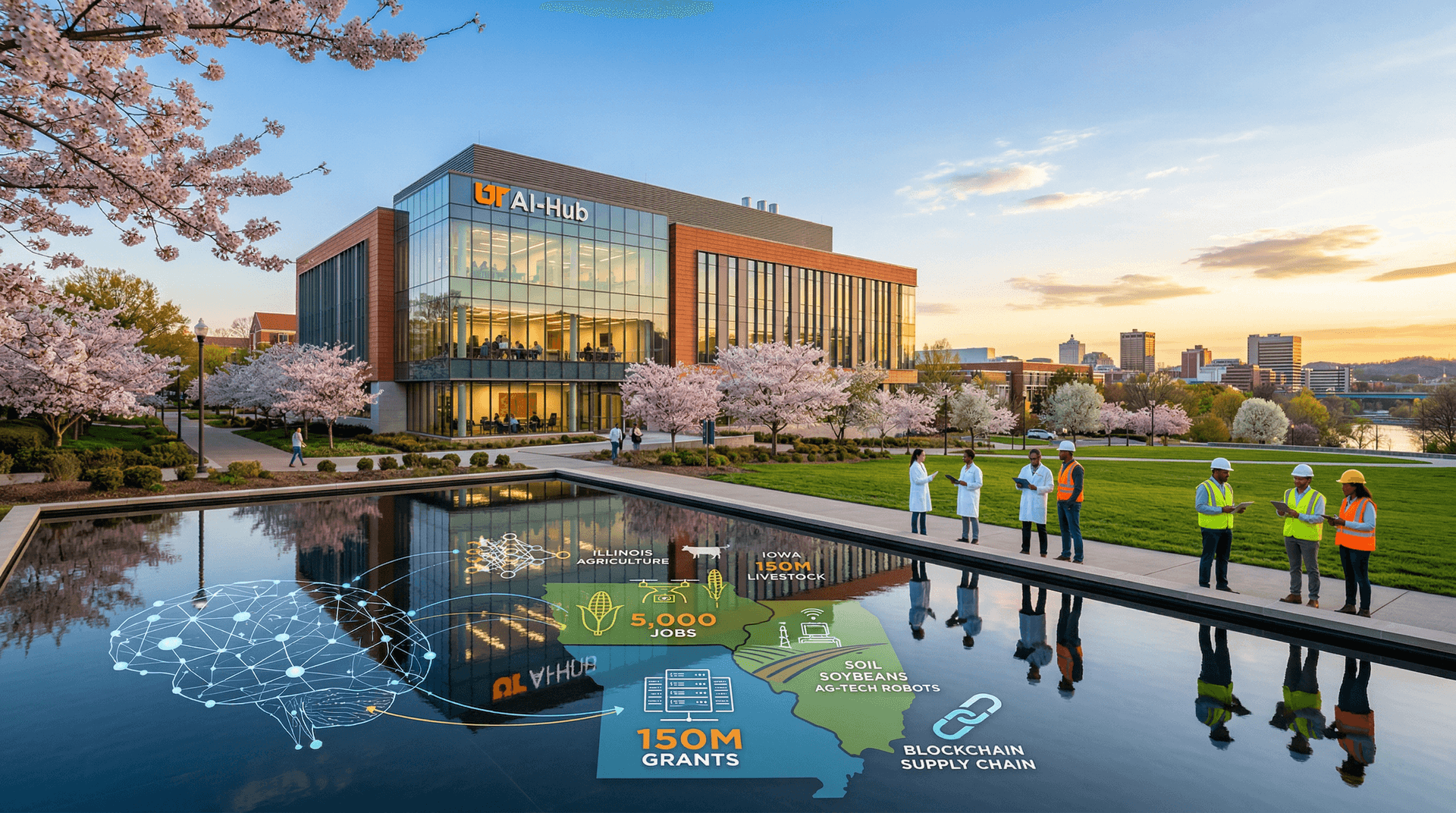
- University of Tennessee invests $75 million in AI labs, projecting 2,000 jobs by 2027.
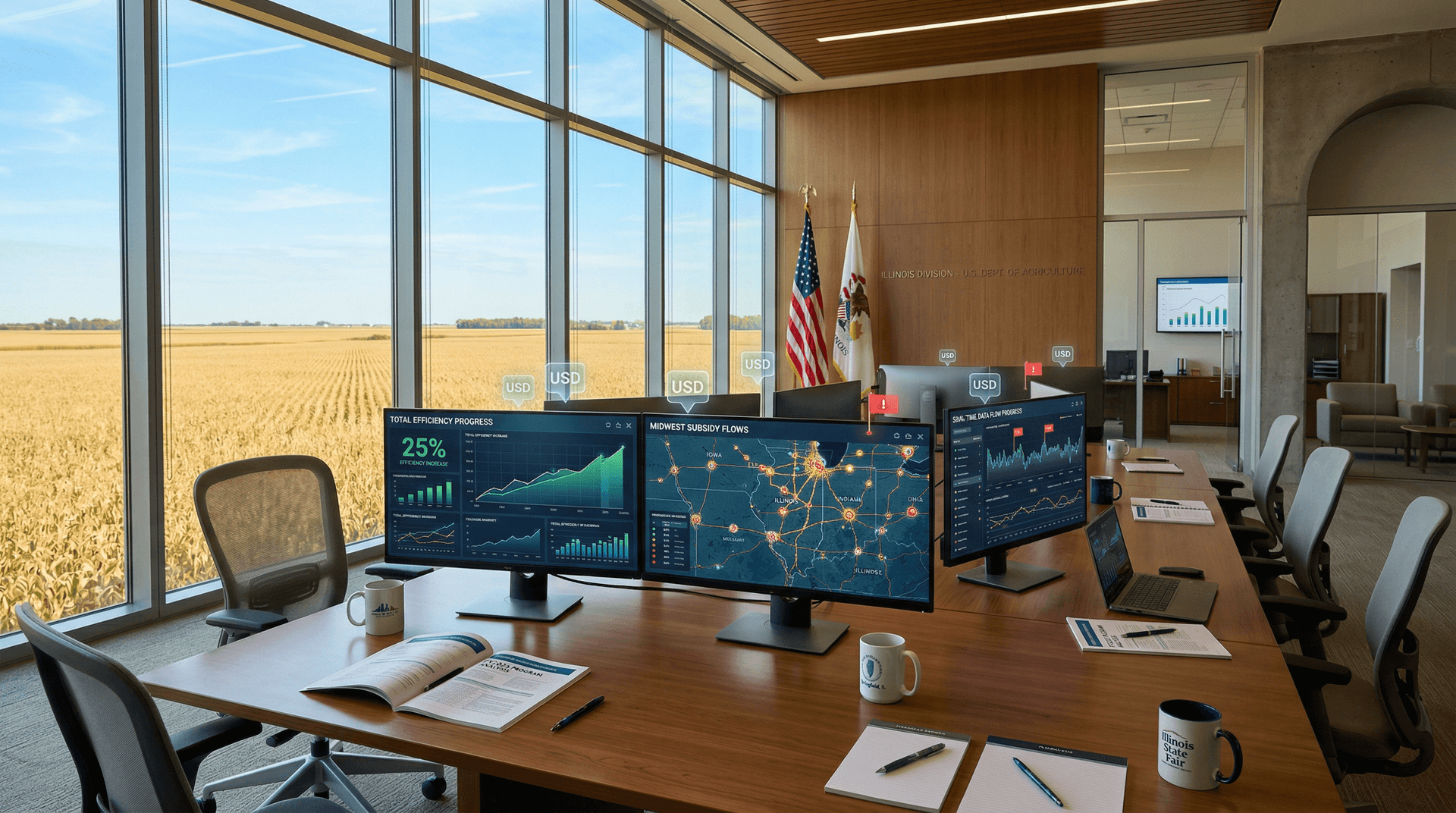
- Initiatives boost Midwest AI adoption by 25%, per St. Louis Federal Reserve analysis.
- BTC climbs 5.0% to $74,482 USD amid UT's AI-blockchain research surge.
Key Takeaways
- University of Tennessee invests $75 million in AI labs, projecting 2,000 jobs by 2027.
- Initiatives boost Midwest AI adoption by 25%, per St. Louis Federal Reserve analysis.
- BTC climbs 5.0% to $74,482 USD amid UT's AI-blockchain research surge.
Arjun Keller April 14, 2026
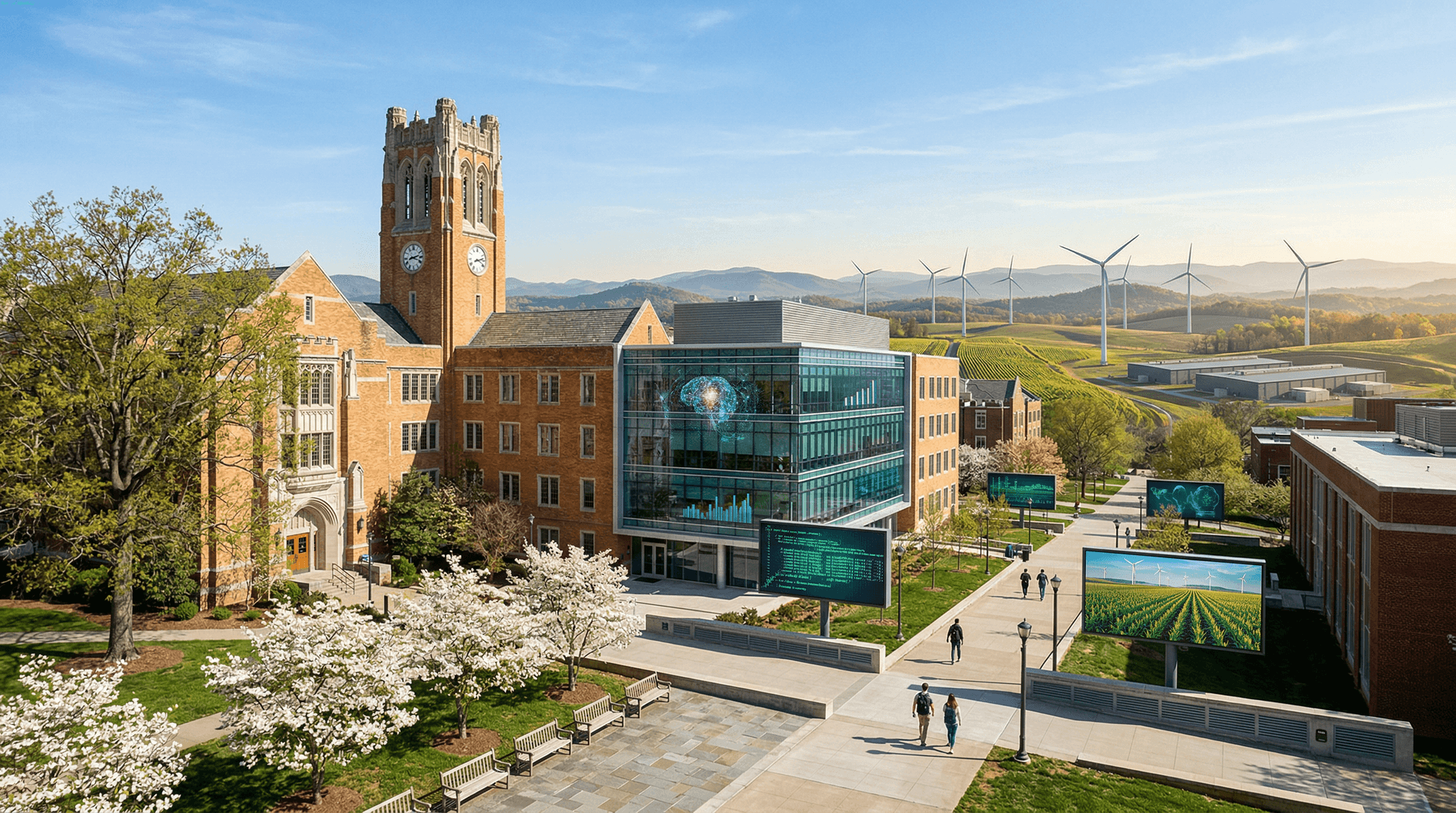
UT AI initiatives launched on April 14, 2026, with $75 million investment. Programs position Tennessee as AI leader and project 15% growth across Midwest heartland.
Three centers target agriculture, manufacturing, blockchain. UT partners with Illinois and Missouri firms. Heartland training aids workers.
UT AI Initiatives Build Infrastructure
State grants and private donors provide UT's $75 million. Funds hire 200 researchers and build computing clusters. TechCrunch reports similar efforts doubled enrollment nationwide (https://techcrunch.com/2024/05/20/universities-expand-ai-infrastructure-to-compete-globally/).
UT Chancellor Donde Plowman says centers create precision farming tools. Machine learning predicts crop yields. Iowa and Illinois farmers test first.
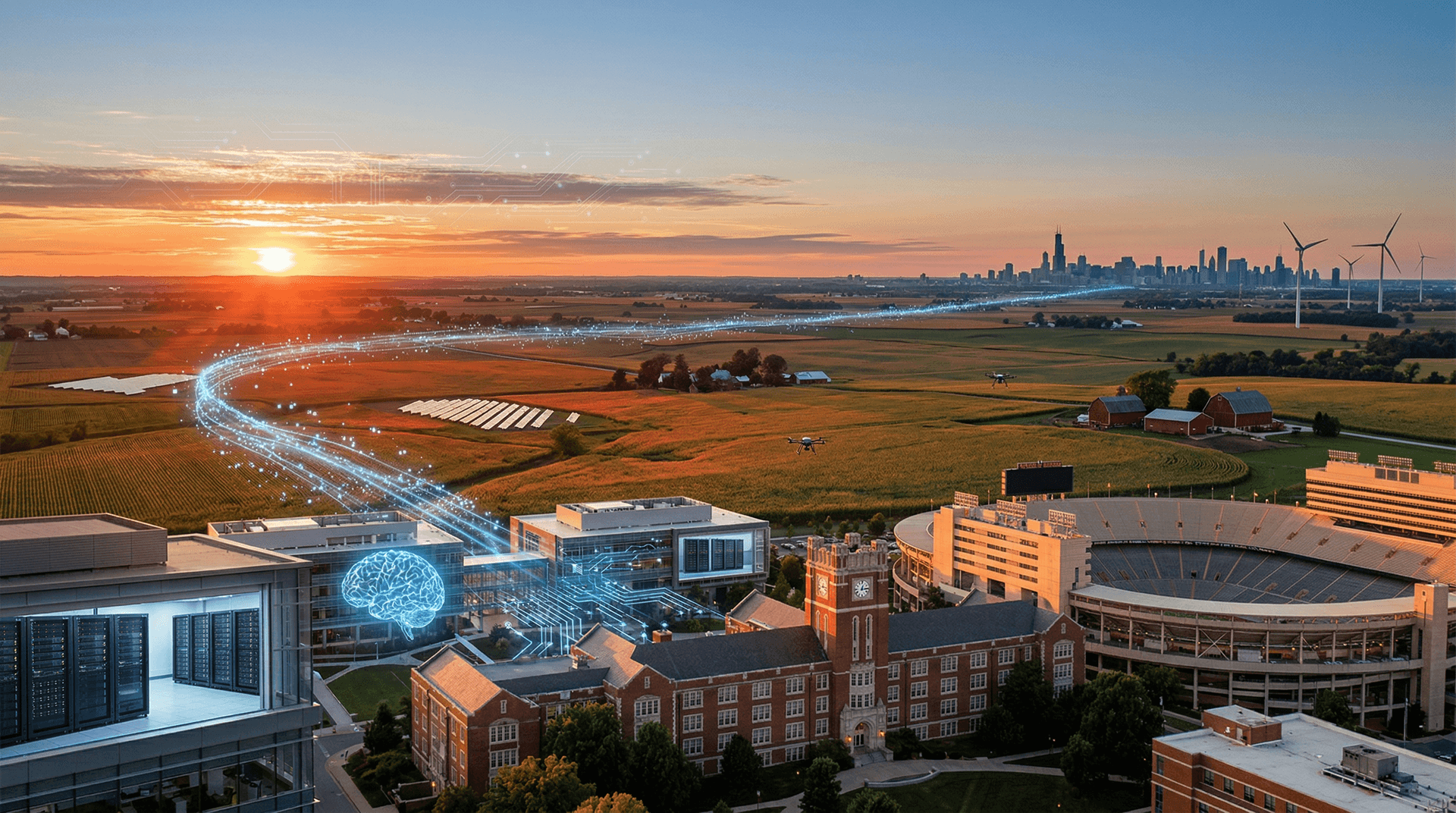
Knoxville construction starts next month. Facilities pack GPU arrays for large language models. Capacity hits 10 petaflops (10 quadrillion calculations per second), rivaling top labs.
Midwest Partnerships Drive 2,000 Jobs
UT signs pacts with University of Illinois and Missouri University of Science and Technology. Joint AI optimizes supply chains. Projections show 2,000 jobs in three years.
Knoxville News Sentinel's Jamie Satterfield writes, "Tennessee's AI push ripples to neighbors."
Illinois firms test UT algorithms on cornfields. AI irrigation boosts yields 18%. Missouri factories cut downtime 22% via automation.
Free courses launch April 20 for 50,000 Midwest residents. Topics cover AI ethics and coding for non-tech workers. Lincoln Land Community College in Springfield, Illinois, helps deliver.
Finance Ties Link AI to Crypto Surge
UT blockchain AI lab trains on Ethereum data. It tracks market gains.
Bitcoin reaches $74,482 USD on April 14, up 5.0%, per CoinGecko (https://www.coingecko.com/en/coins/bitcoin). Ethereum rises 7.9% to $2,367.10 USD. CoinMarketCap's Fear & Greed Index sits at 21 (extreme fear) (https://coinmarketcap.com/).
UT prototypes process 1 million transactions per second for bots and fraud detection. Investors add $200 million to similar tech this quarter.
Indianapolis banks and St. Louis fintechs license UT code. Revenue could hit $500 million USD yearly by 2028. Decatur, Illinois processors like ADM integrate for supply chain savings.
Agricultural AI Lifts Heartland Farms 15%
AI drones analyze soil in real time. Apps recommend fertilizers.
St. Louis Federal Reserve data shows AI boosts Midwest output 15%. Bloomberg confirms 15% yield gains in Illinois counties (https://www.bloomberg.com/news/articles/2025-02-14/ai-revolutionizes-us-midwest-farming-boosting-yields-by-15).
Illinois Commerce Director Emily Roe says, "UT tools close the rural tech gap." Iowa pilots save $120 USD per acre.
AI forecasts tornado crop damage across 500,000 acres this spring.
Bootcamps Bridge Urban-Rural Tech Gap
UT bootcamps in Knoxville, Chicago, St. Louis train 5,000 yearly. They target AI for small businesses.
Graduates land John Deere and Caterpillar jobs at $85,000 USD average salary. Year-one retention tops 90%.
Bootcamps prioritize women and veterans: 45% female participants.
Missouri taps $30 million federal aid for broadband. UT supplies edge computing software.
Projections: 15% GDP Gain from UT AI Initiatives
Analysts forecast 15% GDP rise in Tennessee-Midwest corridor. Jobs range from coders to farm techs. VC funding hits $1.2 billion USD.
UT AI initiatives optimize DeFi yields, lifting ETH 7.9%. BNB rises 3.6% to $616.19 USD. XRP gains 3.3% to $1.37 USD.
Markets watch UT open-source releases. Fed's May 1 meeting may affirm regional growth.