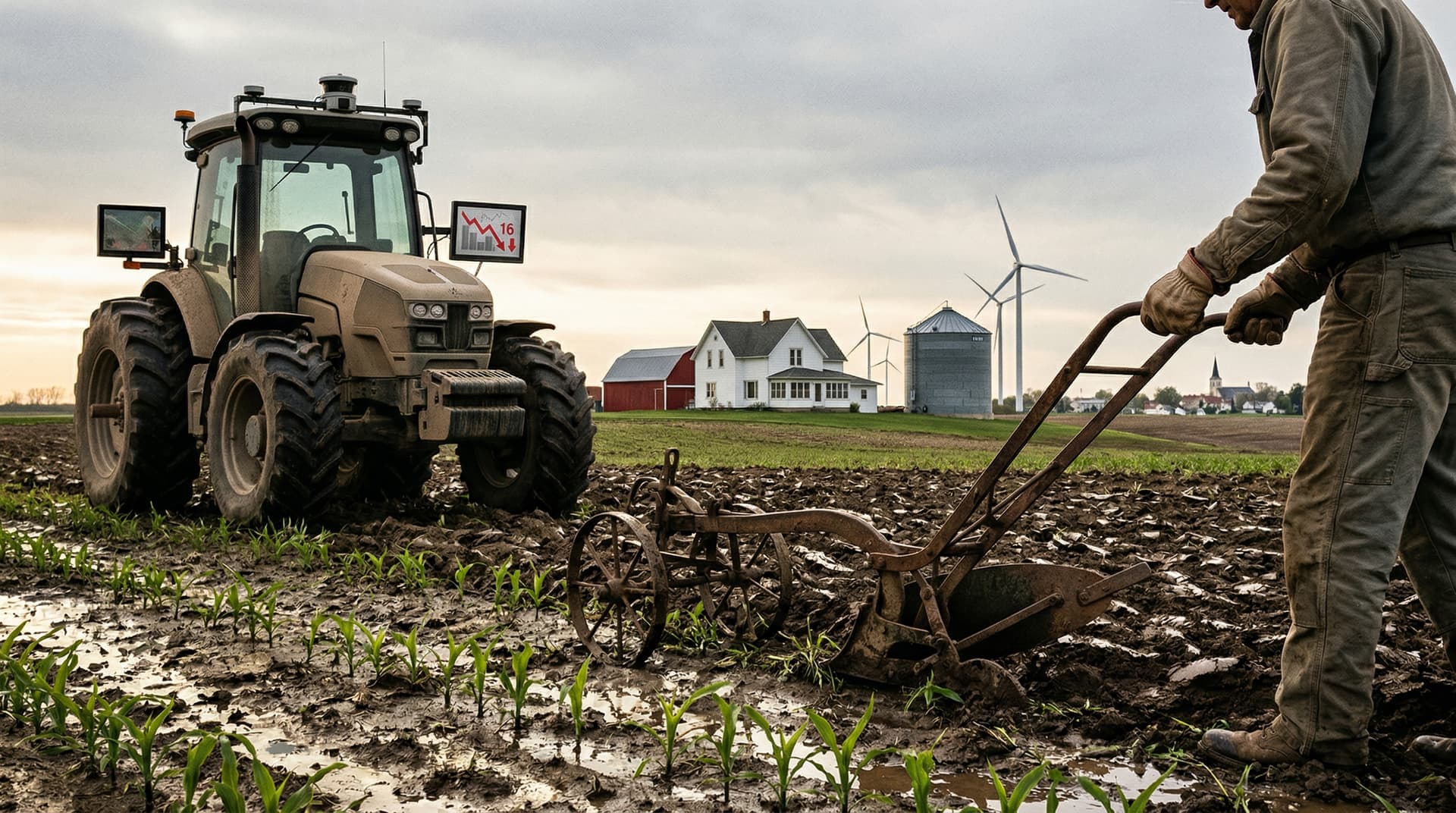
White House advisors met stablecoin leaders on April 10, 2026, to counter bank lobbying against yield programs. Banks seek restrictions to protect deposit income. Stablecoins cut Midwest transaction costs up to 80%, per Ripple data.
Treasury officials joined Tether and Circle executives in Washington, D.C. They urged legislation to safeguard stablecoin yields from bank interference.
What Are Stablecoins?
Stablecoins peg their value to the U.S. dollar, like USDT or USDC at 1.00 USD each. Issuers back them with cash or U.S. Treasuries. Users send them instantly worldwide for pennies.
Midwest businesses favor them over slow bank wires. A Decatur, Illinois, farmer explained to local reporters: "No more waiting days for soybean payments."
Stablecoins Slash Payment Fees
Stablecoins enable instant global transfers at low cost. Banks charge 25 USD for a 5,000 USD wire. Ethereum or Solana handles it for under 1 USD, Ripple reports.
Illinois soybean farmers ship to Asia weekly. They save thousands yearly on fees. Indiana manufacturers dodge 3-5% bank forex spreads when buying from Mexico.
Chainalysis data shows U.S. stablecoin volume hit 8 trillion USD in 2025. Midwest ag exporters captured 5% of that growth.
Farmers Lock in Savings
Iowa corn farmers use stablecoins for payments from Chinese buyers. This avoids bank delays during harvest.
USDA reports Midwest ag exports reached 45 billion USD in 2025. Chainalysis estimates stablecoins save 2 billion USD in fees yearly.
Grundy County, Illinois, farmers test USDT with suppliers. Platforms like Aave pay 4.5% APY on USDT, DeFiLlama tracks. Banks offer just 0.4% on savings accounts, Federal Reserve data confirms.
APY means annual percentage yield, the interest earned yearly. Farmers park export dollars in stablecoins and earn more than CDs.
Manufacturers Speed Up Supply Chains
St. Louis factories pay euro suppliers through banks. USDC bridges convert at spot rates instantly and skip spreads.
Deloitte research shows blockchain cuts supply chain costs 15% for manufacturers. Ohio plants report 20% faster payments, which speeds inventory turnover.
A Peoria toolmaker told the Journal Star: "We cut payment times from 7 days to 2 hours. Cash flow improved instantly."
Banks Push Back Hard
The American Bankers Association demands FDIC oversight on stablecoin issuers. They cite risks from uninsured deposits outside bank control.
Crypto firms spent 10 million USD lobbying last quarter, per OpenSecrets. Banks outspent them at 50 million USD.
Banks fear stablecoins lure deposits away. Tether alone manages 110 billion USD in circulation, backed by U.S. Treasuries.
White House Backs Stablecoin Reform
Officials endorse the Clarity for Payment Stablecoins Act. It lets non-banks issue stablecoins under federal charters. Wyoming Senator Cynthia Lummis co-sponsors the bill.
Issuers share Treasury yields, now over 5%, via smart contracts. Users earn returns banks can't match without risk.
Midwest Businesses Show Interest
Indiana Manufacturers Association polls reveal 40% interest in crypto payments. Illinois Farm Bureau runs stablecoin pilots with co-ops.
From Decatur farms to Davenport factories, businesses test these tools. Stablecoins blend traditional finance with blockchain efficiency.
Path Ahead for Stablecoins
Congress debates rules next week. White House officials threaten vetoes on bank-favored bills. Crypto alliances grow stronger.
Lower fees and yields fuel Midwest ag and manufacturing growth. Farmers hedge against rate hikes. Manufacturers rebuild supply chains faster.
LincolnLand Express will track local pilots and federal outcomes.