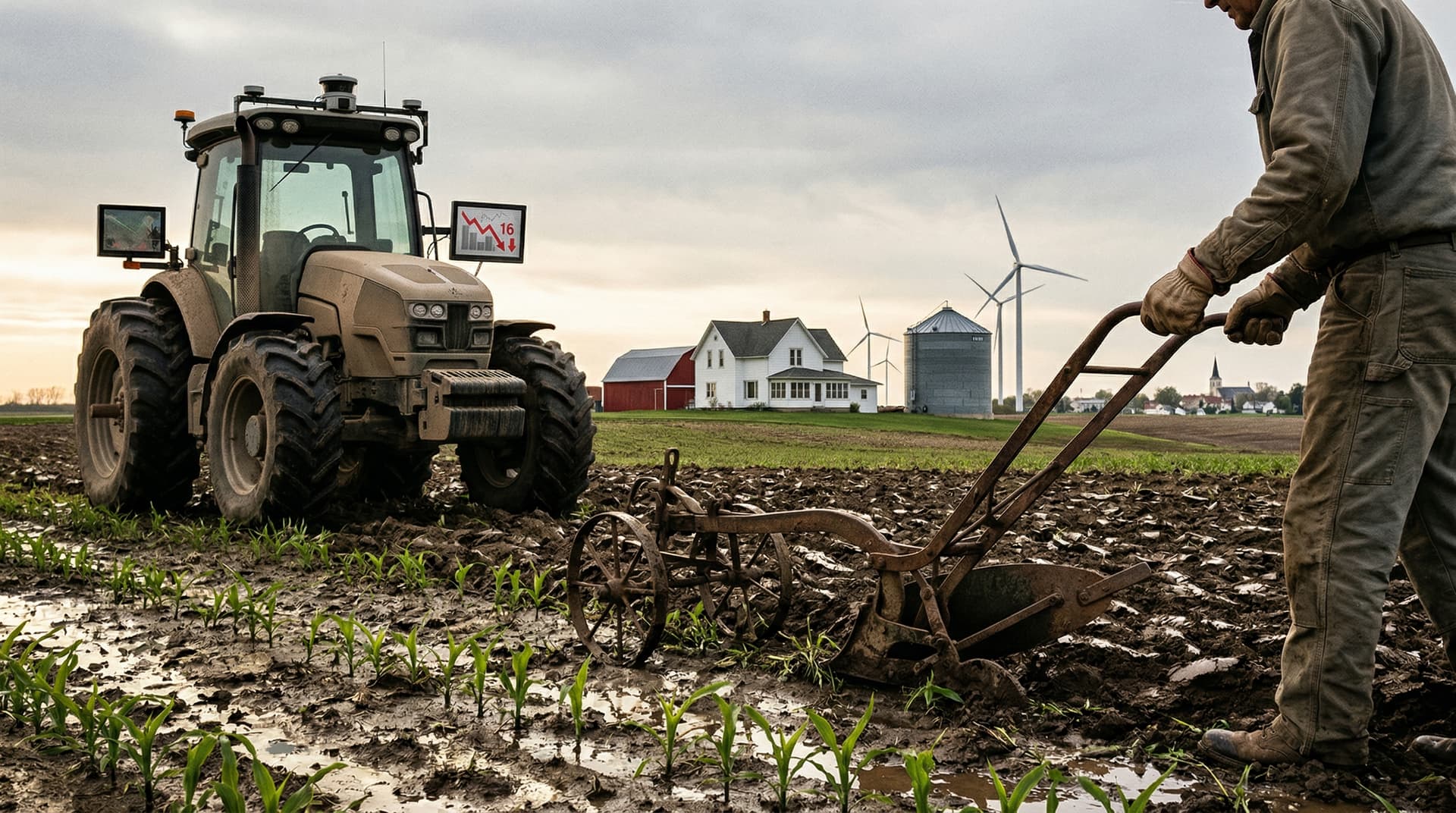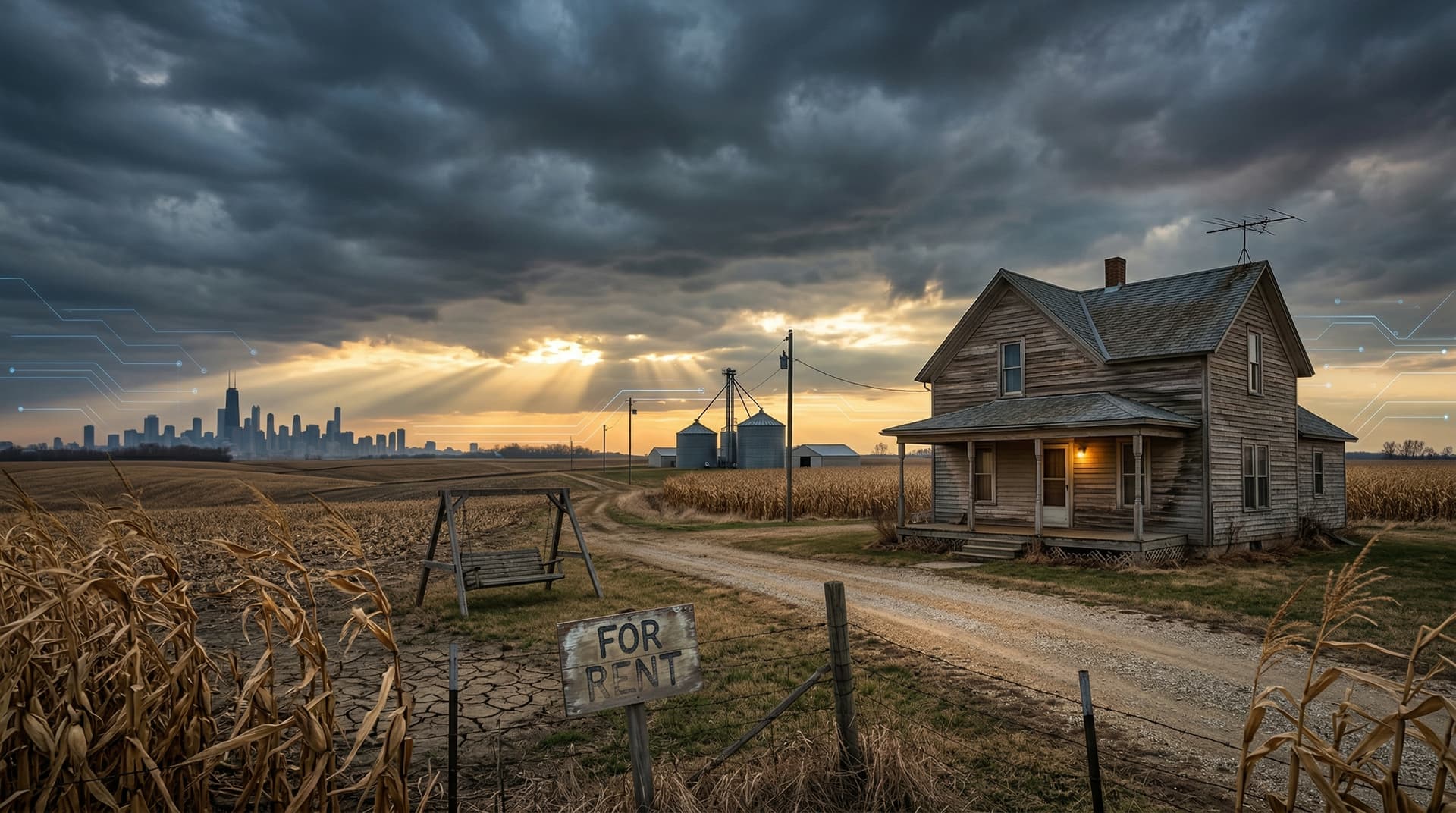
Illinois and Indiana real estate firms launched AI housing boom tools for tenant screening and pricing on April 12, 2026. Politico reports these systems process applications faster than humans but spark fair housing fears as federal oversight lags. Heartland families face higher rejections and rent hikes.
Landlords in Peoria and Springfield adopt AI to slash costs. Algorithms review credit scores, income records, and social media profiles. Urban applicants score higher than rural ones due to data gaps. Iowa farmers and Decatur workers suffer most, driven by Chicago proptech firms.
AI Housing Boom Fuels Property Screening Surge
Proptech firms secured $2.8 billion USD in funding during Q1 2026, per CB Insights on April 12. Investors target Midwest growth markets.
AI enables dynamic rent pricing. Zillow adjusts Peoria listings by 5% weekly based on demand. Springfield tenants report $200 USD monthly increases.
Decatur brokers screen 40% more applicants daily. Rural applicants suffer from incomplete data sets that undervalue farm income.
Algorithms Carry Historical Midwest Biases
Machine learning models train on past leasing records. HUD's April 10 analysis found 15% higher rejection rates for Black applicants in St. Louis rentals. Rural white farmers score low too.
Systems dock points for low credit tied to farm slumps. Indiana's 2025 corn yield fell 12%, per USDA data, tanking scores without context.
NAACP's Indianapolis chapter sued a proptech firm on April 11 over disparate impact. CoreLogic rolled out engine updates on March 15; Midwest pilots exposed rural biases.
Proptech Regulations Lag in Heartland States
Congress cut Fair Housing Act funding by 12% in 2026, Politico noted on April 12. Missouri lacks AI-specific housing rules.
Illinois mandates AI disclosure since January 2026 but enforced only two cases. Iowa lawmakers debate bills after 200 farmers attended a Des Moines hearing on April 10.
They demand human override options. CFPB plans fairness standards in May, slowed by industry lobbying. Illinois AG Kwame Raoul announced a task force on April 12.
Finance Fuels the AI Housing Boom
Global proptech valuations hit $150 billion USD, per PitchBook on April 12. Midwest startups captured $300 million USD. Bloomington-based Yardi Systems leads regional efforts.
Redfin shares jumped 8% on April 11 after AI announcements. Heartland investors buy stakes in these firms.
U.S. Bank tests AI underwriting in Quad Cities branches. It prioritizes loans for AI-approved borrowers, sidelining others.
Deloitte's 2026 report predicts $20 billion USD in potential bias lawsuits. Insurers hike landlord premiums by 10%.
Heartland Residents Push Back on AI Housing Boom
Macomb farmer Randy Kline lost a rental bid. "AI undervalued my ag income," Kline told reporters on April 12. A human reviewer approved him later.
Des Moines tenant Maria Lopez faced $200 USD rent jumps. Algorithms devalue immigrant neighborhoods like hers.
Quad Cities Fair Housing Center drafts local ordinances for April 13 vote. University of Illinois Urbana-Champaign released a free AI audit tool on April 12.
Fixing the AI Housing Boom for Fairness
Experts call for hybrid AI-human systems. Minnesota's approach cut disputes by 25%, state data shows.
A bipartisan Senate bill mandates algorithm transparency, vote set for June 2026. Ohio imposed audits on April 11, backed by $50,000 USD fines.
RentGrow commits to Illinois bias audits starting May 1. Midwest states lead national reform. The AI housing boom delivers efficiency, but safeguards protect families, farms, and fair access.