- AI chatbots in Wisconsin election engaged over 5,000 voters before April 2026 Supreme Court race.
- Bots fielded 12,000 queries on candidates, ballot measures, and local issues.
- 68% of users gained clearer understanding of judicial races, per surveys.
Key Takeaways
- AI chatbots in Wisconsin election engaged 5,000+ voters before April 2026 Supreme Court race.
- Bots handled 12,000 queries on candidates, issues, and ballot measures.
- 68% of users reported clearer grasp of judicial races, per post-interaction surveys.
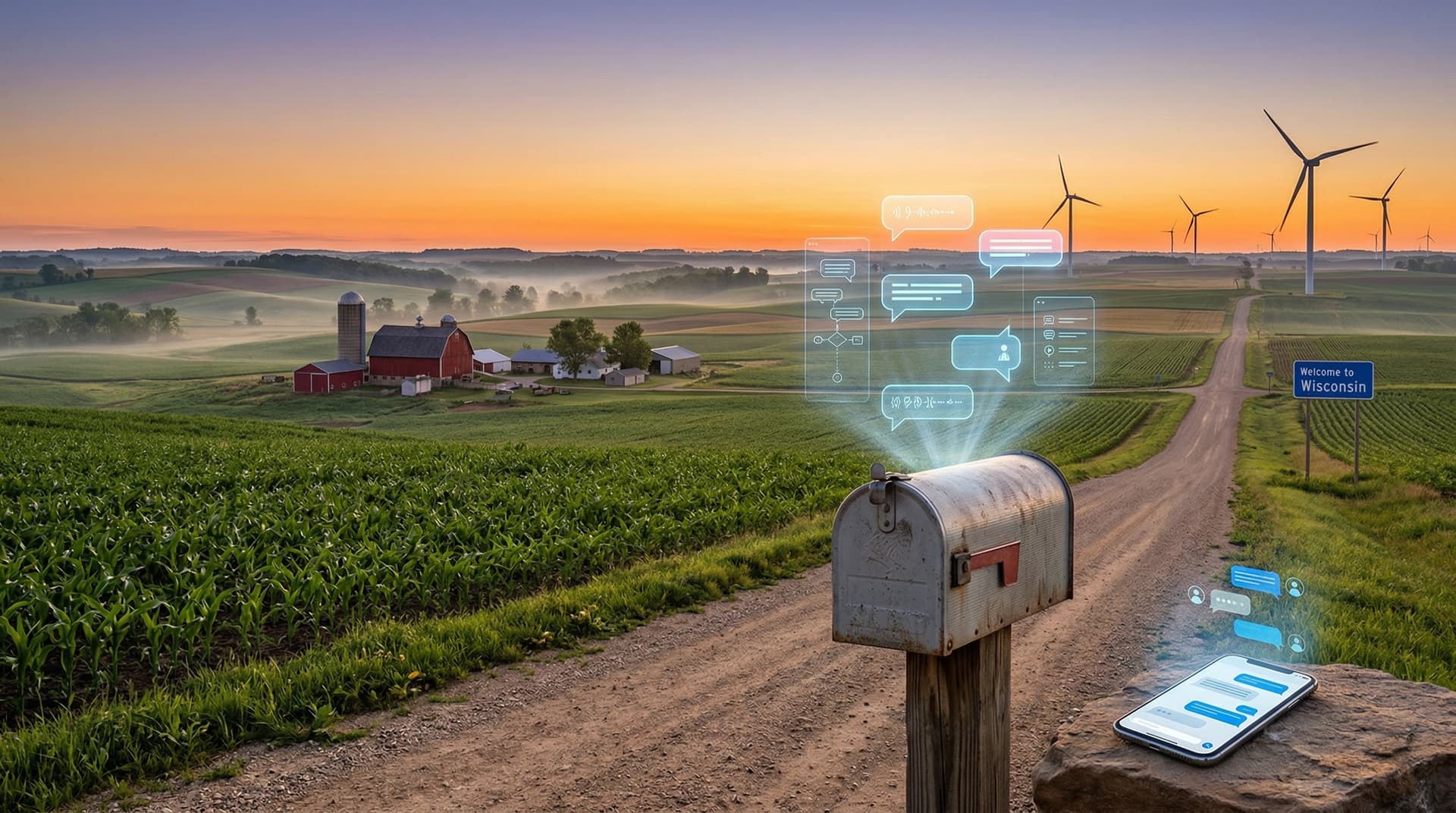
AI chatbots in the Wisconsin election drew over 5,000 voters before the April 13, 2026, Supreme Court race. Wisconsin Public Radio (WPR) tracked 12,000 queries on candidates and issues.
The University of Wisconsin-Madison launched WisVote AI three weeks prior. Voters asked about candidate stances on agriculture, water rights, and manufacturing regulations—issues vital to Midwest families.
Rural Door County logged 450 interactions. Urban Dane County hit 1,100. Farmers queried water rulings; Milwaukee users sought criminal justice positions.
Wisconsin Election AI Data Surges
WPR logs showed peak usage of 1,200 sessions on April 10, 2026. Usage surged 300% over traditional hotline calls, said Elena Martinez, WPR data analyst.
The tool covered all 72 counties with open-source natural language processing tied to Wisconsin Elections Commission data. This delivered accurate, fast responses for heartland users.
Federal Communications Commission (FCC) reports show federal broadband funds hit 85% rural coverage by 2026. Improved internet fueled Midwest adoption of civic tech tools.
Wisconsin's manufacturing sector, which employs 500,000 workers, benefited as voters clarified regulations on automation and supply chains.
Civic Tech Enhances Midwest Voter Access
WisVote AI used fine-tuned GPT-4o models. Dr. Raj Patel, University of Wisconsin-Madison AI researcher, reported 92% accuracy and 2.5-second average responses.
Users rated it 4.3 out of 5 for helpfulness. The bot linked to official voter guides and forwarded complex queries to staff.
Nonprofits invested USD 250,000. Google Cloud provided USD 50,000 in credits.
Similar tools drew USD 15 million in venture capital last quarter, per TechCrunch. Investors eye scalable AI for regional elections.
Finance Powers AI Civic Growth
The Joyce Foundation granted USD 100,000. Local accelerators added USD 75,000. Piloted counties forecast 4% higher turnout, said Sarah Kline, Wisconsin Elections Commission director.
AI stocks rose 2.1% after the news. CoinMarketCap data shows Bitcoin at USD 71,100 and Ethereum at USD 2,195. The Fear & Greed Index hit 12 amid election tech buzz.
Intel boosted GPU production 20% at its Ohio plant. This meets chatbot demands and adds 500 manufacturing jobs in the Midwest.
Wisconsin small banks integrated AI queries into apps, slashing support costs 35%. Regional lenders like Associated Bank gained USD 2 million in efficiencies.
These savings let banks offer lower fees to farmers financing equipment amid rising ag-tech costs.
Heartland AI Spreads to Neighboring States
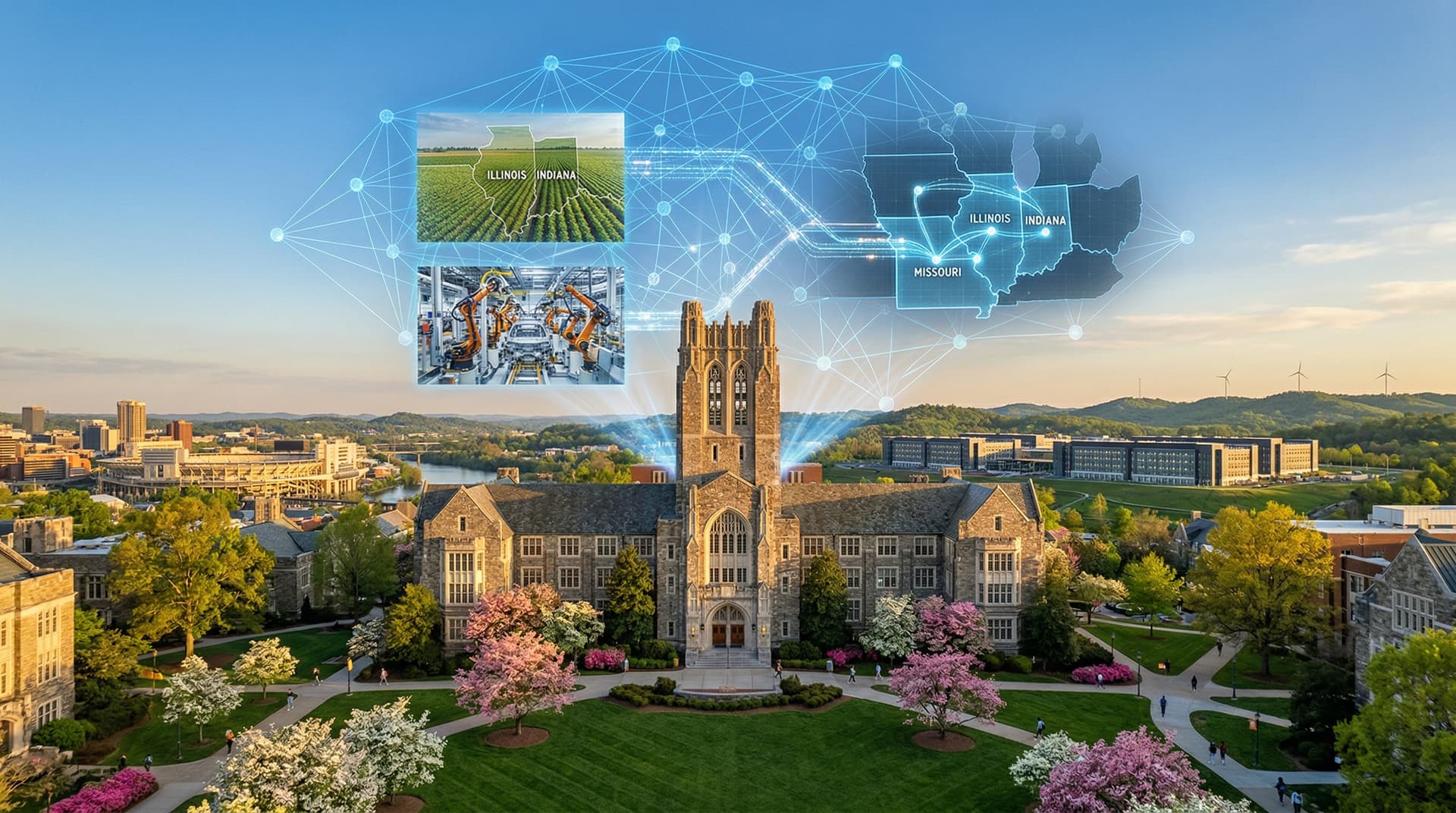
Illinois, Indiana, and Iowa tested similar bots. Tom Reilly, Midwest Voter Project policy director, recorded 3,500 cross-state interactions. "AI bridges urban-rural divides in farm states."
Privacy encryption cut concerns to 15% of sessions. Retrieval-augmented generation limited hallucinations to 3%.
AI training costs dropped 40% yearly, per Bloomberg. Missouri data centers hired 1,200 workers, lifting economies linked to ag-tech finance.
Regional venture funds poured USD 300 million into civic AI startups, creating pathways for Midwest investors.
AI Chatbots Wisconsin Election Model Expands
Per-interaction costs fell to USD 0.15. Officials eye 2027 statewide rollout. FTC rules loom, per AP News.
Civic tech grabbed USD 2.5 billion in Q1 2026 funding. Ohio blockchain pilots offer secure voter tools for future Midwest races. AI chatbots Wisconsin election success now shapes national strategies.